Industrial power control improved through reliable circuit breaker performance standards
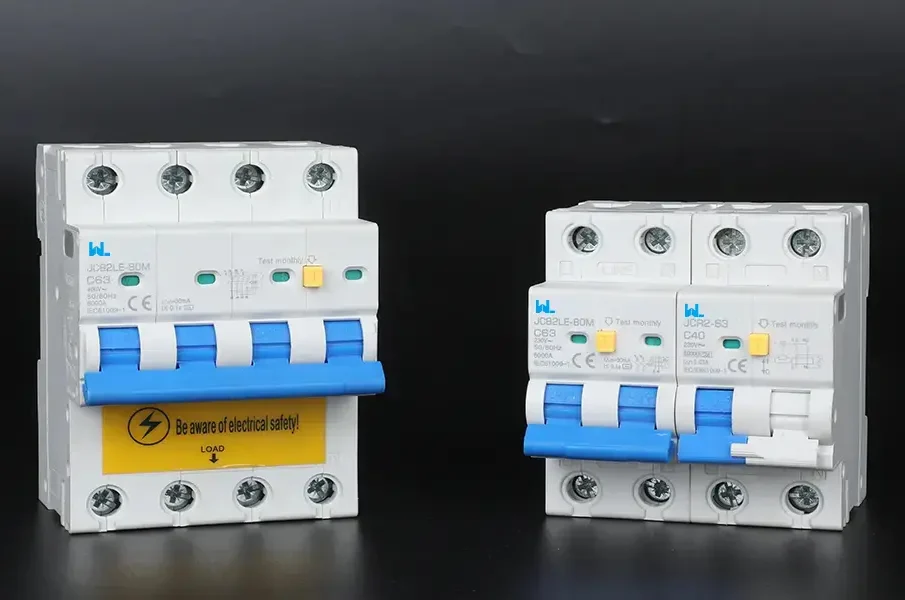
Steel floors hum with unseen motion long before any switch is touched. Quiet systems guide massive loads through hidden lines. Many planners seek stability rather than guesswork. Clear rules shape dependable flow across busy zones. The phrase circuit breaker often defines this trust. The title Industrial power control improved through reliable circuit breaker performance standards frames this need. Every part below connects to safer control through clear rules.
Early fault response shapes stability
Fast reaction protects heavy setups during sudden load shifts. Quick isolation keeps the flow steady.
- Rapid sensing limits overload spread across shared channels
- Swift trip action shields costly tools from surge harm
- Early alerts support timely human response steps
- Precise cut-off avoids chain damage during faults
This approach secures steady operation across long shifts.
Load balance through strict rules.
Clear rules guide even flow through complex networks. Balanced paths prevent sudden strain. Predictable handling protects assets. Teams gain calm oversight. This order reduces downtime. It also improves trust.
Material quality builds endurance.
Strong parts resist wear from heat stress. Dense alloys hold shape under strain. Insulation layers block leak paths. Long life reduces sudden failure. This saves time. It also lowers waste.
Fault handling through layered design
Multiple safety layers protect systems from sudden harm. Each stage adds control.
- Inner coil guards prevent sudden arc spread
- Thermal pads manage rising heat loads
- Pressure vents guide excess force safely
- Shielded plates block stray sparks
- Insulated cores hold stable flow lines
- Dual locks prevent false release states
- Sensor grids detect early stress signs
- Backup links secure final cut steps
Layered design keeps harm from spreading.
Human oversight through simple visuals
Clear marks guide quick checks. Simple lights show active states. Easy shapes reduce error. Workers respond faster. This saves time.
Testing cycles guide long life.
Repeated checks reveal weak spots. Simulated loads test endurance. Early fixes prevent later harm. This routine builds confidence.
Heat control through smart spacing
Proper gaps reduce thermal rise. Airflow paths cool active zones. Balanced layout limits stress. This keeps parts stable.
System rhythm under steady rules
Order grows from known patterns. Many teams rely on circuit breaker rules to guide flow across large grids. This rhythm prevents sudden swings. It also supports long use. Calm patterns protect value.
Response timing during peak loads
Busy periods raise strain. Planned timing prevents overload. Slow build avoids shock. This protects lines. It also keeps output steady.
Training shapes safer handling.
Clear guides teach correct steps. Repeated drills build memory. Calm action reduces panic. This culture supports safety.
Common questions
- Do layered designs help? Yes, they stop the spread.
- Why testing cycles matter? They find weak spots.
- Does training improve safety? Yes, it builds calm action.
Strong flow through safe design
Heavy systems need calm guidance, not guesswork. Clear rules form a steady base. Layered safety limits harm spread. Routine checks reveal early risks. Simple visuals guide quick response. Training shapes confident action. Together, these habits protect value. They reduce downtime. They also build trust. Long-term control grows from a clear structure. Stable control depends on clear thinking rather than rushed action. Simple systems often outperform complex ones. Each rule adds a layer of predictability. Predictability reduces sudden loss. Teams gain confidence through steady routines. Quiet monitoring replaces constant worry. Small checks prevent large failures. Early signals guide timely correction. This saves energy. It also protects tools. Consistency builds stronger networks. Stronger networks reduce downtime. Less downtime supports steady output. Every step shapes long-term balance. Calm handling prevents panic. Planned motion protects value. Order creates trust. Trust keeps systems running without fear.