Foundations New Zealand approach to concrete foundation crack repair New Zealand using resin
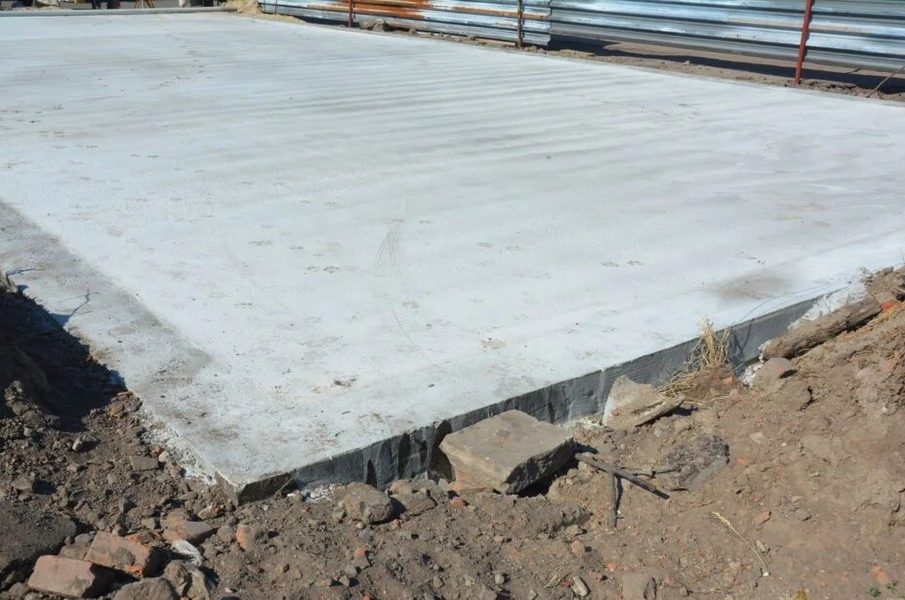
Surface cracks in structural bases often raise concern when stability and durability matter over time. Property owners usually search for reliable ways to fix these issues without causing further damage or repeated repairs. The phrase concrete foundation crack repair New Zealand often appears when people want a dependable and lasting solution. Simple patchwork rarely solves deeper problems, especially when cracks continue to expand. A clear and planned method helps avoid repeated effort and cost. Foundations New Zealand approach to concrete foundation crack repair New Zealand using resin explains how proper repair can deliver consistent outcomes.
Structured repair planning improves outcomes
A planned process reduces mistakes and avoids unnecessary repair repetition. Clear steps ensure the repair material works correctly under pressure and time.
· Identify crack depth using proper inspection tools before starting repair
· Clean internal surfaces to remove dust, moisture, and loose particles
· Select resin type based on crack width and movement level
· Control injection pressure carefully to avoid spreading damage inside the structure
Following these points ensures a stable and controlled repair process.
Surface preparation affects bonding strength
Proper cleaning allows resin to attach securely inside the crack space. Dust or moisture reduces bonding quality and leads to early failure. In real conditions, surfaces may look clean but still contain fine particles. A limitation is that incomplete drying can weaken adhesion even after careful cleaning.
Resin injection process and flow control
Injection works by filling internal gaps and sealing movement areas effectively. Controlled pressure ensures the material spreads evenly without creating new stress points. In real use, uneven pressure can cause overflow or weak spots.
· Maintain a steady flow rate during application
· Monitor filling level through visible markers
Material selection based on crack behaviours
Choosing the correct resin depends on whether cracks are active or stable. Flexible resins handle movement while rigid types seal static gaps. Conditions such as temperature and internal stress affect performance.
· Evaluate the crack pattern before selecting the material
· Avoid using one type for all situations
Common inspection errors before repair begins.
Inspection often gets rushed, leading to an incomplete understanding of the issue. Small cracks may hide deeper structural shifts. A limitation is that visual checks alone cannot reveal internal damage. Accurate inspection supports better repair decisions.
Injection port placement and spacing rules
Correct port placement allows even resin distribution across the crack length. Poor spacing results in uneven filling and weak repair zones. Real conditions may include irregular crack shapes, making placement challenging. One limitation is difficulty accessing narrow or hidden sections.
Environmental impact on the curing process
Temperature and moisture levels directly affect curing time and strength. High humidity can slow down the hardening process and reduce durability. Real conditions often vary throughout the day. Careful timing helps achieve consistent results.
Controlled sealing for long lasting repair
Sealing ensures the resin remains inside and performs its function effectively. The method supports durability when applied with proper timing and pressure. Many cases of concrete foundation crack repair in New Zealand fail due to poor sealing steps. One limitation is that uneven sealing can lead to leakage or weak bonding.
Step-by-step repair execution plan
· Inspect cracks and measure width, depth, and spread carefully
· Clean surfaces and allow proper drying before starting injection
· Install ports evenly along the crack line with correct spacing
· Inject resin slowly while monitoring flow and internal filling
· Seal the outer surface to prevent leakage and ensure curing stability
Why repair results often fail?
Many failures occur due to rushed inspection and incorrect material choice. Lack of consistency during application leads to uneven results. Changing conditions, such as moisture and temperature also affect outcomes. Ignoring small cracks at early stages increases long-term repair difficulty.
Continuous monitoring and maintenance approach
Regular checks help detect early signs of new cracks or movement. Testing repaired areas ensures the material holds under stress. Consistent review builds confidence in repair quality. Discipline in following the same process improves reliability over time.
Repair method comparison table
|
Method Type |
Suitable Crack Type |
Durability Level |
Limitation |
|---|---|---|---|
|
Resin injection |
Fine to medium cracks |
High |
Needs controlled application |
|
Surface patching |
Minor visible cracks |
Low |
Does not fix internal damage |
|
Epoxy sealing |
Stable structural cracks |
Medium |
Not suitable for moving cracks |
|
Flexible sealant method |
Active moving cracks |
Medium |
Limited strength for heavy loads |
FAQ Section
· What causes cracks in structural bases? Movement stress and material shrinkage are common reasons.
· Is resin repair long-lasting? Yes, if applied with the proper method and preparation.
· Can small cracks be ignored? No; they may expand and cause larger issues.
· How long does curing take? It depends on temperature and material type.
· Is inspection necessary before repair? Yes, it ensures correct method and material selection.
Reliable repair through consistent process
Repair success depends on careful planning and correct execution at every stage. Ignoring preparation leads to repeated issues and wasted effort. Consistent monitoring helps maintain strength and stability over time. Practical methods deliver better outcomes than quick fixes. Following a structured approach ensures lasting repair performance.